Regional Textiles
Most collectors learn early to check a fabric's face, its hand, and its weave structure. Far fewer pay attention to the selvedge—the narrow, tightly finished edge that runs along both sides of a length of cloth. Yet for anyone serious about vintage and antique textiles, the selvedge is one of the most honest witnesses a fabric can offer. It was rarely meant to be seen, so it was rarely faked. Mill marks, weave density, and even color sequences printed into the selvedge can anchor a piece in a specific place and decade.
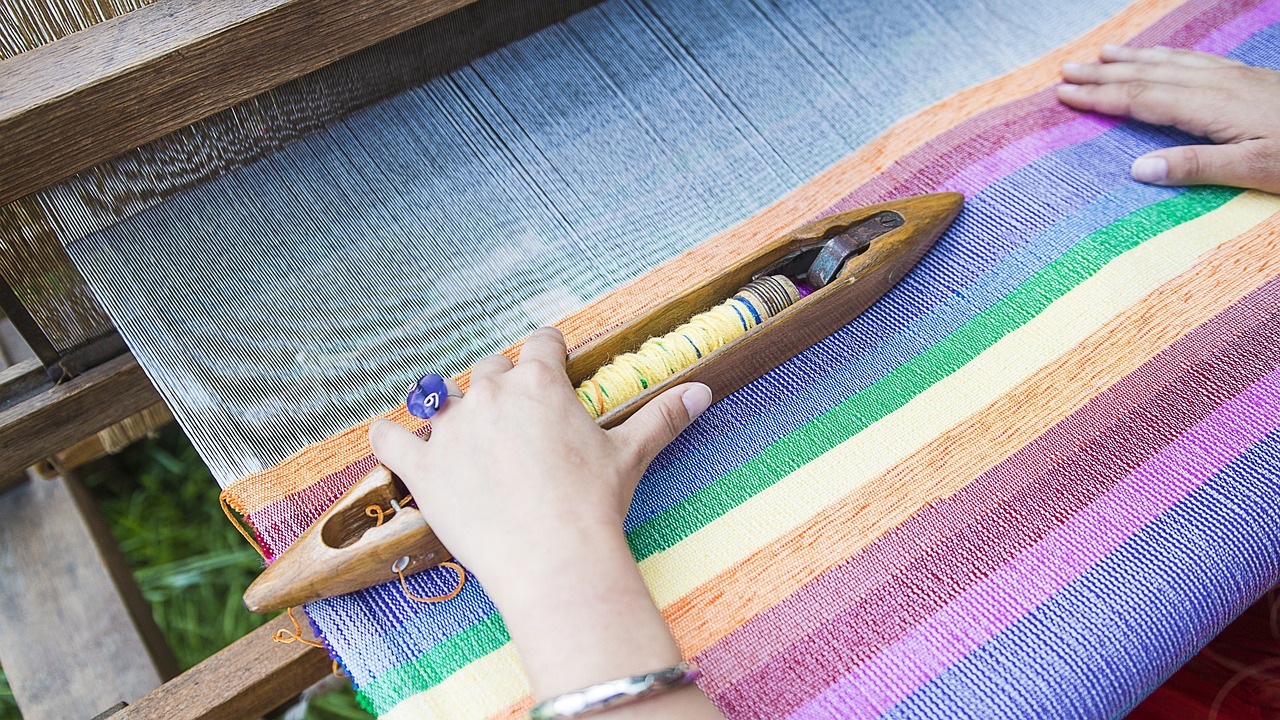
On older handloom textiles, the selvedge is often slightly uneven, with tiny loops or a cord-like finish where the weft turns back into the warp. That irregularity is a signature of human hands at the loom. On machine-woven fabrics from the industrial era onward, the selvedge becomes cleaner and more uniform, and it frequently carries printed or woven information: a mill name, a color number, a pattern repeat code, or a country of origin. These marks were practical tools for dressmakers and tailors, but today they function as a quiet archive.
When you examine a length of vintage silk or wool, look at the selvedge under good light before you look anywhere else. Printed lettering in a repeating sequence—often in a faded ink—usually indicates a mill identification. Some mills used a distinctive typeface or a specific shade of ink, and collectors who handle a lot of fabric begin to recognize these the way a numismatist recognizes a mint mark. Color codes in the selvedge, sometimes a small block of dots or a short string of numbers, correspond to the dye lots used in that run. If a piece has been overdyed or recolored later, the selvedge codes may no longer match the body of the cloth, which is a useful warning sign.
Woven-in selvedge marks are subtler. On some jacquard and brocade fabrics, the maker's mark is integrated into the weave itself, visible only when you tilt the fabric toward the light. These are harder to spot but extremely difficult to counterfeit convincingly, because reproducing them requires the original loom setup. For a collector, finding one feels like discovering a maker's signature hidden in a painting.
Width is another clue. Before the twentieth century, most handlooms produced fabric in fairly narrow widths, often around twenty to thirty inches. If a textile's selvedge-to-selvedge measurement falls in that range and the weave is handloom, you are likely looking at an older piece, or at least one woven on traditional equipment. Wider fabrics generally point to later industrial looms or to specialized production. The selvedge also shows how the cloth was finished: a hand-rolled or hand-stitched edge suggests a garment or furnishing piece that was cut and finished by a tailor, while a raw, frayed edge suggests the fabric was never fully made up.
None of this replaces the broader skills of dating and authentication, but selvedge reading sharpens them. It teaches you to look at the parts of a textile that were never designed to impress, and those parts often tell the most reliable story. Next time you unroll a vintage length, turn it over and start at the edge.
