Collecting Techniques
Japanese textiles occupy a special place in the vintage fabric market. They combine technical refinement with a philosophy of repair and reuse that feels remarkably contemporary. For collectors, this means a field rich in variety—everything from rustic indigo cottons mended with visible stitching to refined silk yardage woven for formal kimono. The range can be intimidating at first, but a few guiding principles make it approachable.
Start by understanding that Japanese textiles were often made to be taken apart. Kimono were constructed from narrow bolts of cloth, and when a garment wore out or passed out of fashion, it was frequently unpicked and the fabric reused. This is why collectors encounter beautiful lengths of silk that were once part of a kimono, sometimes with faint needle marks along the edges where seams were removed. Those marks are not flaws; they are part of the object's life story. Similarly, indigo workwear and farm garments were patched and restitched for generations, producing textiles with dense layers of mending that many collectors now prize for their visual power.
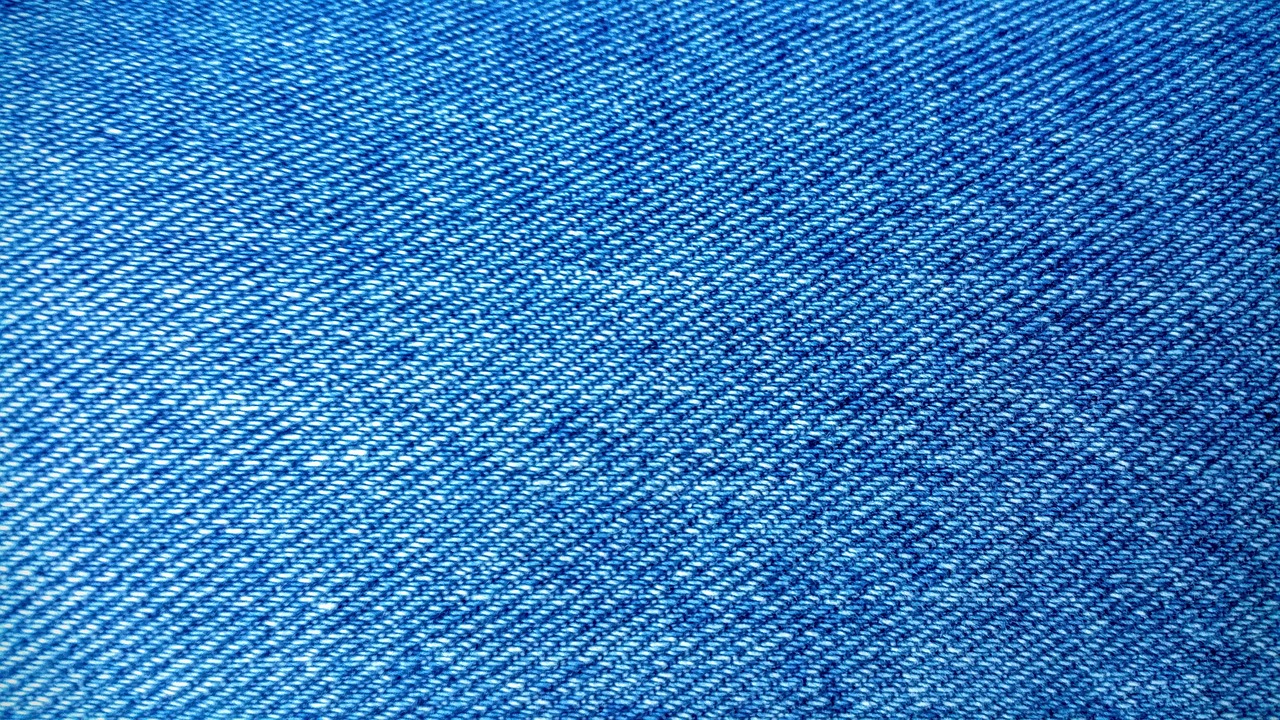
Indigo-dyed cotton is one of the most accessible entry points. Traditional Japanese indigo dyeing produces deep, complex blues that fade and soften with wear, and the color can range from near-black to pale sky depending on how many times the cloth was dipped. Sashiko—a running stitch used both for reinforcement and decoration—turns mended areas into geometric patterns that read almost like drawing. When evaluating a sashiko piece, look at the evenness of the stitches, the density of the mending, and whether the patches are integrated into the original cloth or simply laid on top. Older sashiko often uses thread that has aged to a warm ivory, which contrasts beautifully against the indigo ground.
Be cautious with heavily distressed pieces. Some wear is desirable and speaks to authenticity, but structural weakness in the base cloth can make a textile difficult to display or store. If the fabric tears easily at the fold lines or the fibers feel brittle, the piece may be better suited to study than to collection.
At the other end of the spectrum is silk yardage from formal kimono. These fabrics can be extraordinarily fine, with weaves that incorporate metallic threads, subtle jacquard patterns, and dye techniques like yuzen that produce painterly effects. When buying kimono yardage, examine the reverse side as carefully as the front; the back often reveals the true structure of the weave and any later alterations. Look for even tension across the width and a selvedge that is intact and clean. Because kimono fabric was woven in standard widths, a full bolt has a recognizable proportion, and pieces that have been cut down are usually obvious once you know what to look for.
Condition matters, but so does provenance. A piece with a documented history—an old shop label, a family note, a dated photograph—gains context that no amount of visual inspection can supply. Building relationships with dealers who specialize in Japanese textiles is one of the best ways to learn, because they can often explain the regional origin and intended use of a piece in ways that transform how you see it. Approach the field slowly, handle as much as you can, and let the textiles teach you their language.
