Collecting Tips
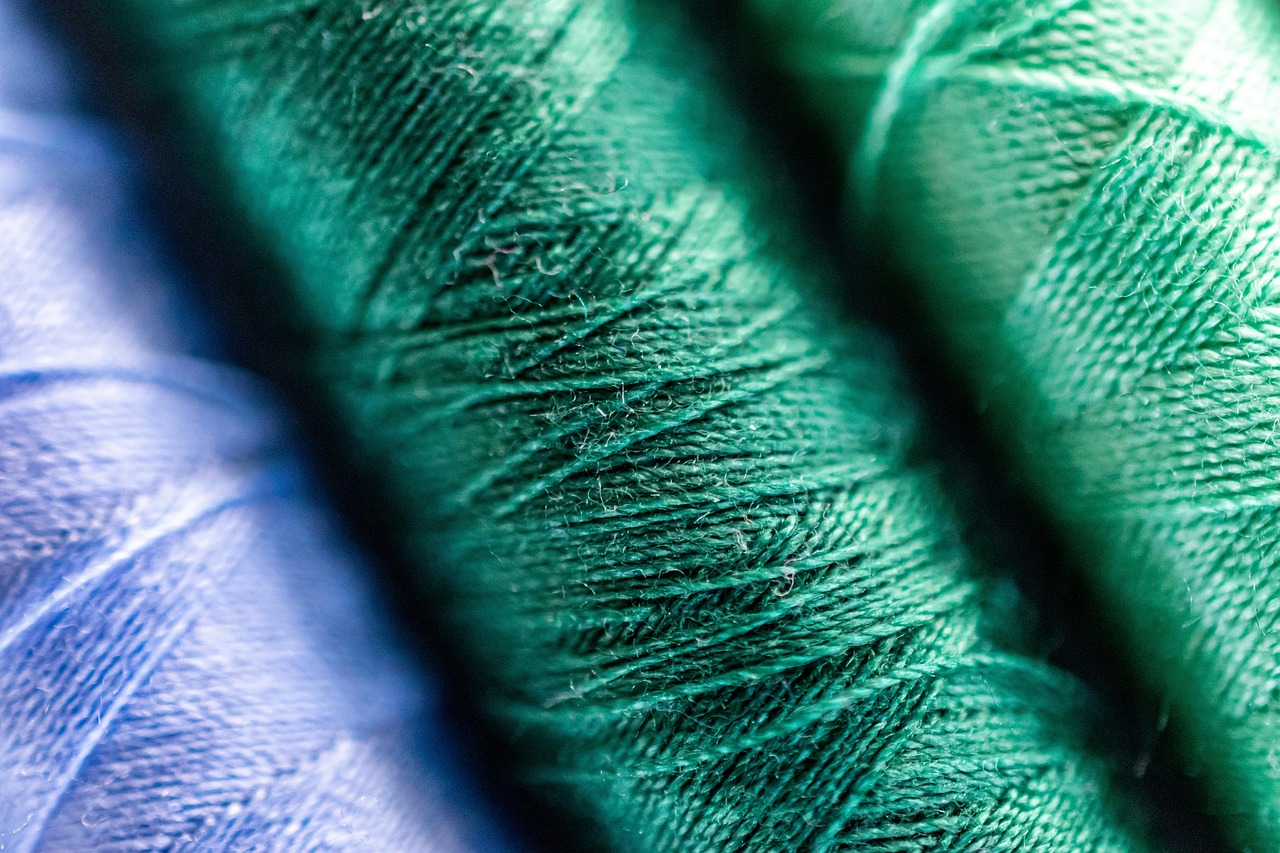
New collectors often assume that experienced buyers have some innate gift for spotting quality. In reality, the collector's eye is a trained skill, built from repeated close looking and a willingness to compare good pieces with mediocre ones. The traits that distinguish a fine antique weave from an ordinary one are consistent and learnable. Once you know what to look for, you can evaluate a textile in a few minutes with nothing more than good light and your fingertips.
Begin with the hand of the fabric—the way it feels and behaves when you hold it. A well-made textile has a certain spring and body. It does not feel limp or lifeless, nor does it feel stiff and brittle. Fine wool has a density that resists crushing; good silk has a subtle weight and a cool, smooth surface; quality linen has a crispness that softens over time without losing strength. If a fabric feels thin in a way that suggests wear rather than design, or if it crackles when folded, those are warning signs.
Next, examine the weave itself. Hold the fabric up to a light source and look at the grid of warp and weft. In a high-quality piece, the threads are evenly spaced and consistently tensioned. You should not see gaps that vary across the width, nor should you see slubs or thick spots unless they are intentional design features. Selvedges should be firm and clean. On patterned fabrics, check the alignment of the repeat: a well-woven pattern lines up precisely, while a poorly executed one drifts or distorts. The finish also matters. Hand-finished edges, whether rolled, stitched, or bound, indicate that the maker cared about the whole object, not just the visible surface.
Color is another indicator. Antique dyes age in characteristic ways. Vegetable dyes often mellow and shift over time, developing a depth that synthetic dyes rarely achieve. Look for subtle variation across the cloth that suggests natural dyeing, and be wary of colors that are uniformly flat or that look suspiciously bright for the stated age of the piece. Fading along fold lines and edges is normal and expected; fading that stops abruptly in the middle of a panel may indicate a later alteration or a patch.
No antique textile is perfect, and collectors must decide which flaws are acceptable. Small repairs, minor fading, and stable wear are usually tolerable, especially in rare pieces. Structural damage—large tears, rot, active insect damage, or extensive losses—is a different matter. Learn to distinguish between a flaw that is stable and one that will worsen. A small hole in a strong ground cloth can be conserved; a crumbling ground cannot.
Provenance adds another layer. A piece with a known history, even a modest one, is more interesting and often more valuable than an identical piece without context. Keep notes on where you acquired each textile, what you paid, and any information the seller provided. Over time, these records become a personal reference library that sharpens your judgment. The collector's eye is not a mystery; it is the sum of many careful looks, and every textile you study makes the next one easier to read.
